The Ultimate Guide to Car Wax: Benefits, Types, and Best Practices
Car wax is an essential part of vehicle maintenance, providing protection, shine, and longevity to your car’s paint. In this guide, we will explore the different types of car wax, their benefits, and how to choose the best one for your needs.
Want the blog in your inbox?
Follow my blog with BloglovinWhat is Car Wax?
Car wax is a protective coating applied to a vehicle’s surface to enhance shine and protect against environmental damage. It forms a layer over the paint, shielding it from UV rays, dirt, and water.
What are the Different Types of Car Wax?
There are various types of car wax available, each offering unique benefits:
- Carnauba Car Wax
Carnauba wax is derived from palm trees and is known for its deep, warm shine. It is a popular choice among car enthusiasts due to its natural composition and excellent protective qualities. - Spray-On Car Wax
A quick and easy application method, spray-on car wax is ideal for those who want a fast shine. It provides a decent level of protection but doesn’t last as long as paste or liquid wax. - Colored Car Wax
Colored wax is designed to enhance specific paint colors. It can help mask minor scratches and improve the overall appearance of your vehicle. - Synthetic Wax
Synthetic waxes offer long-lasting protection and are easier to apply than natural waxes. They are highly resistant to environmental factors such as rain, dirt, and UV rays. - See Also: Paint Protection Film Materials Comparison
Paste vs. Liquid Car Wax
The comments in the video above showcase some of the pitfalls of DIY detailing.
They provide helpful insights into why hiring a detailing pro is crucial to your car’s lasting value.
Comment from @chodkowski01 : I had my car ceramic coated and it looked beautiful. 2 years later when it started to wear off looked horrible like the clear coat was failing. Have fun trying to get it off your car. I now use a soft canuba wax that I have to apply more but then I can easily strip it off whenever I want.
- See our resources for Ceramic Coating
Comment from @RothBeyondtheGrave : Got going with all necessary steps to do a proper coating. Upon realizing I’d need minimum 10 more hours of correction (after already being about 20 hours in), I said screw it & threw on Instawax w/ a Ceramic detailer to top it off.
- You can see from this comment, that waxing takes time and hard work.
Paste Wax: Provides a thick, durable layer of protection but requires more effort to apply.
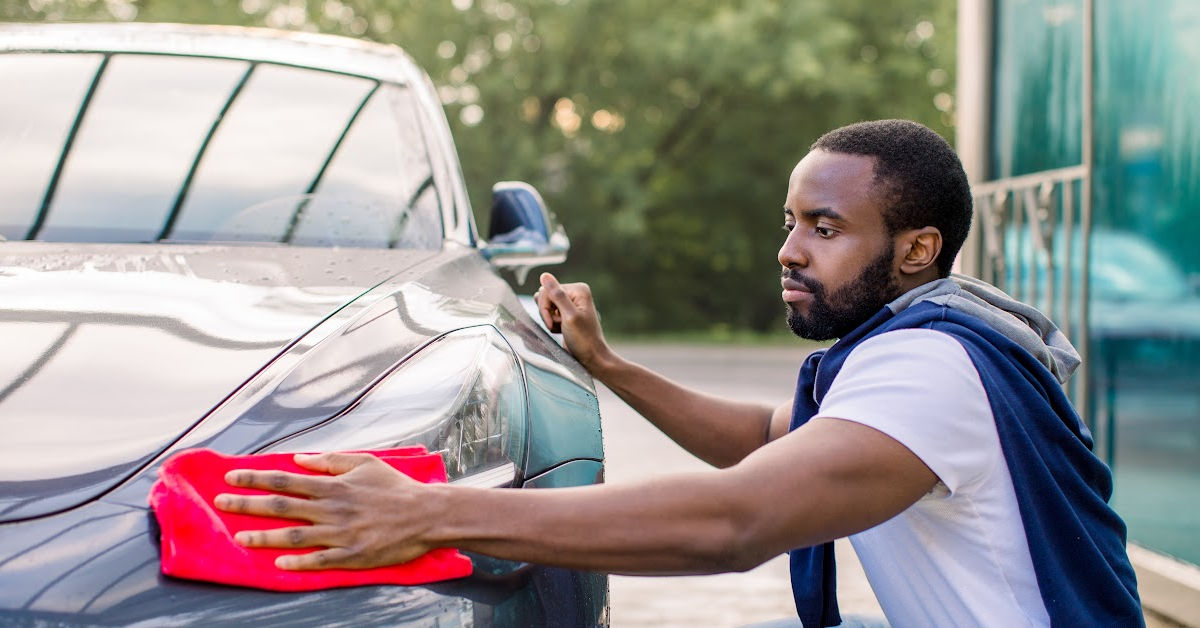
Paste wax forms a robust shield over the paint, offering long-lasting protection against contaminants like dirt, UV rays, and moisture. Its thicker consistency allows for a more thorough application, ensuring a deep, rich shine that enhances the car’s finish. However, applying paste wax requires more effort, as it must be spread evenly, left to cure, and then buffed out to reveal its full protective potential. While it takes more time and elbow grease, many enthusiasts prefer it for its superior durability compared to liquid wax.
Liquid Wax: Easier to spread but may not last as long as paste wax.
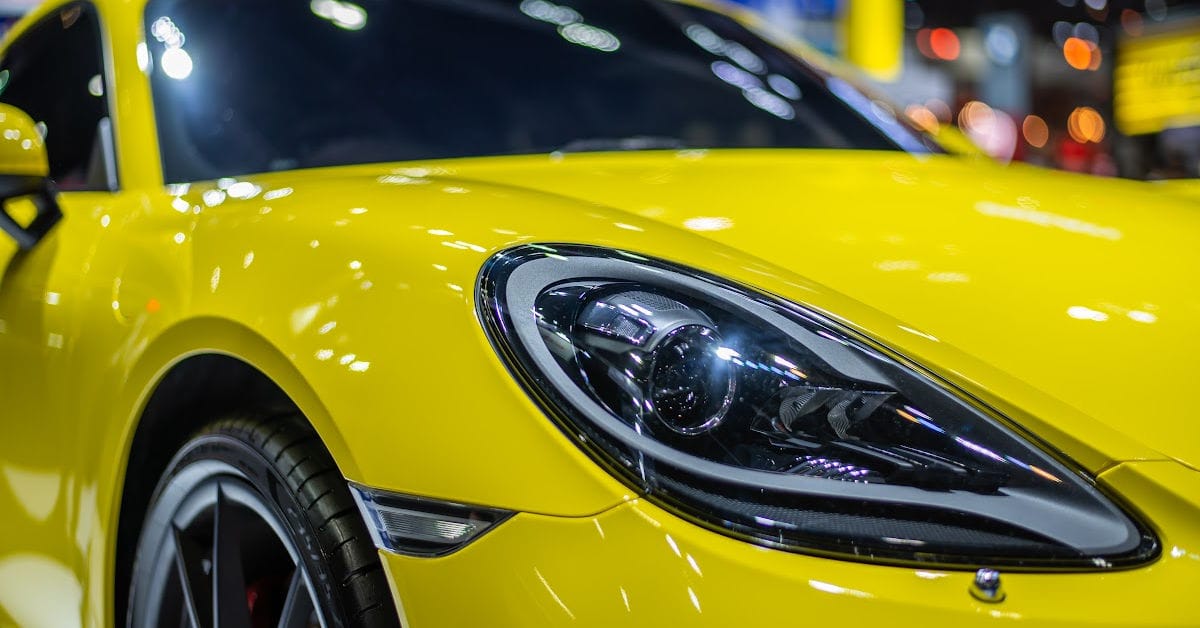
Liquid wax is much easier to apply, spreading smoothly over the surface without requiring extensive buffing or curing time. Its thin consistency allows for quick and even coverage, making it a convenient option for those looking to wax their car efficiently. However, because liquid wax is not as thick as paste wax, it tends to wear off more quickly, requiring more frequent reapplications to maintain protection. While it offers a brilliant shine and is ideal for regular touch-ups, it may not provide the same long-term durability as paste wax.
Best Car Wax for Different Needs
Choosing the right car wax depends on your preferences and requirements. Here are some of the top recommendations:
- Best Overall: Carnauba wax for a deep, rich shine.
- Best for Quick Application: Good spray-on car wax.
- Best for Longevity: Synthetic formulas provide the longest lasting car wax.
- Best for Dark Cars: Colored car wax to enhance deep hues.
- Best for Protection: Ceramic-infused waxes for superior durability.
How to Apply Car Wax Properly
To get the most out of your car wax, follow these steps (or let the top car detailing pros handle the job):
- Wash and Dry Your Car: Remove any dirt or debris before applying wax.
- Choose the Right Wax: Select a wax that suits your car’s paint and your maintenance goals.
- Apply in a Shaded Area: Avoid direct sunlight to prevent wax from drying too quickly.
- Use a Clean Applicator Pad: Apply the wax in small, circular motions.
- Let it Haze: Allow the wax to dry before buffing it off.
- Buff with a Microfiber Cloth: Remove excess wax to reveal a high-gloss shine.
How Often Should You Wax Your Car?
The frequency of waxing depends on the type of wax and driving conditions:
● Carnauba Wax: Every 4-6 weeks.
● Synthetic Wax: Every 3-6 months.
● Spray Wax: Every 2-4 weeks for maintenance.
Car Wax vs. Ceramic Coating
While car wax provides a temporary protective layer, ceramic coatings offer a longer-lasting solution with stronger resistance against environmental damage.
However, wax is easier to apply and more budget-friendly.
Common Myths About Car Wax
- Waxing Too Often Damages Paint: False. Proper waxing maintains and protects the paint.
- All Waxes Are the Same: False. Different formulations offer varying levels of protection and shine.
- Waxing Eliminates Scratches: False. Wax can fill in minor scratches but won’t repair deep ones.
Keeping Your Ride Looking New
Car wax is an excellent way to keep your vehicle looking new while protecting it from damage. By choosing the right type and applying it correctly, you can maintain a glossy and well-protected finish for years to come.