
Most people assume window tint is a summer job. It is not. Film is installed indoors, in a warm shop, so the weather outside has very little to do with how well it goes on. What the cold does change is how long the film takes to cure afterwards, and what the windows look like in the first few days.
Winter is fine for tint. Keep the windows rolled up for 3 to 5 days, a little longer in deep cold. A light haze or a few small water pockets in the first days are normal and clear on their own as the film cures.

Why tint takes longer to cure in the cold
Film is applied to the inside of the glass with a slip solution, which lets it be positioned and squeegeed flat. Most of that solution is pushed out during the install. What is left evaporates through the film over the following days, and that is the curing process. Cold air slows evaporation, so a car parked outside in January cures more slowly than one parked in July.
If you have a heated garage, use it for the first few nights. It is the simplest way to speed things up.
What you will see in the first week
- A slight haze. Normal. It is moisture still trapped under the film and it fades as it dries.
- Small water pockets or streaks. Also normal. Leave them alone; pressing on them can crease the film.
- Anything that does not shrink after a couple of weeks. Not normal. A bubble that stays the same size usually has air or a speck of dirt behind it, and we will fix it.
Windows, defrosters and scrapers
Keep the windows up until the film has cured, so the bottom edge does not catch on the seal and peel. Give it the same few days before running the rear defroster hard. Once cured, tint and defroster lines get along fine.
Because the film is on the inside of the glass, scraping ice off the outside is fine. Do not scrape the inside of a tinted window, and do not use anything sharp on it to clear frost.
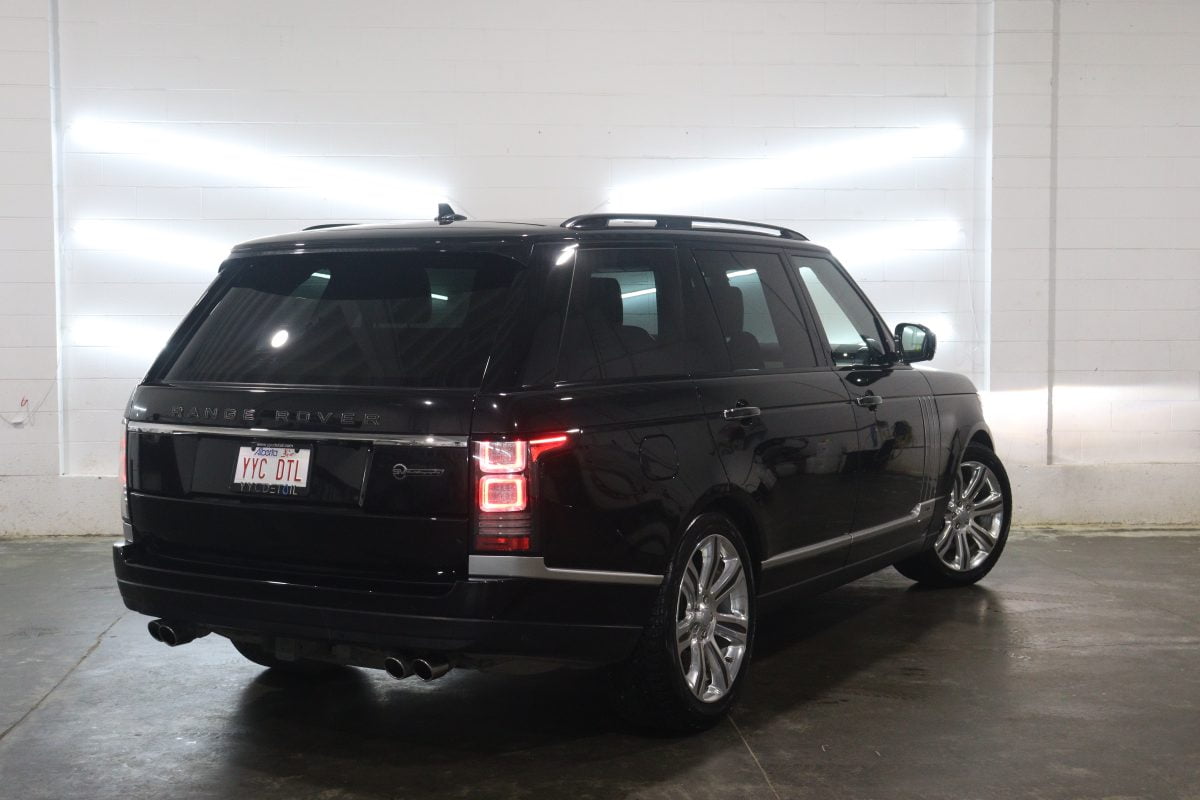
Cleaning tinted windows in winter
Wait about a week before cleaning the inside of freshly tinted glass. After that, use an ammonia-free glass cleaner and a soft microfibre towel. Ammonia-based cleaners and rough paper towels are what dull and scratch film over time.
Regular or ceramic for a Calgary winter
We install XPEL film in two grades. Both block 99% of UV all year and cut glare from low sun and snow. Ceramic blocks far more of the infrared heat you feel, which matters most in summer. If you mostly want privacy and a clean look, regular film does the job. If you want a cooler cabin in July, ceramic is the one.
| Vehicle | Regular | Ceramic |
|---|---|---|
| Sedan, 5 windows | $420 | $560 |
| SUV or truck, 7 windows | $450 | $620 |
Full pricing for every vehicle is on our window tinting page.
Frequently asked questions
Can you tint a car in winter?
Yes. Tint is installed indoors, so cold weather does not affect the install. It only slows the curing time afterwards.
How long does window tint take to cure in cold weather?
Plan on 3 to 5 days with the windows up, and a little longer in deep cold. A heated garage speeds it up.
Is haze normal after tinting?
Yes, in the first days. It is moisture under the film drying out. If haze or a bubble is still there after a couple of weeks, bring the car back and we will look at it.
Ready to book? Call 587-327-3541 or book online. Most tint jobs are done the same day.